Subscribe to our mailing list
We are still here! Let us send you tips for travelling through Myanmar and stories from the road …

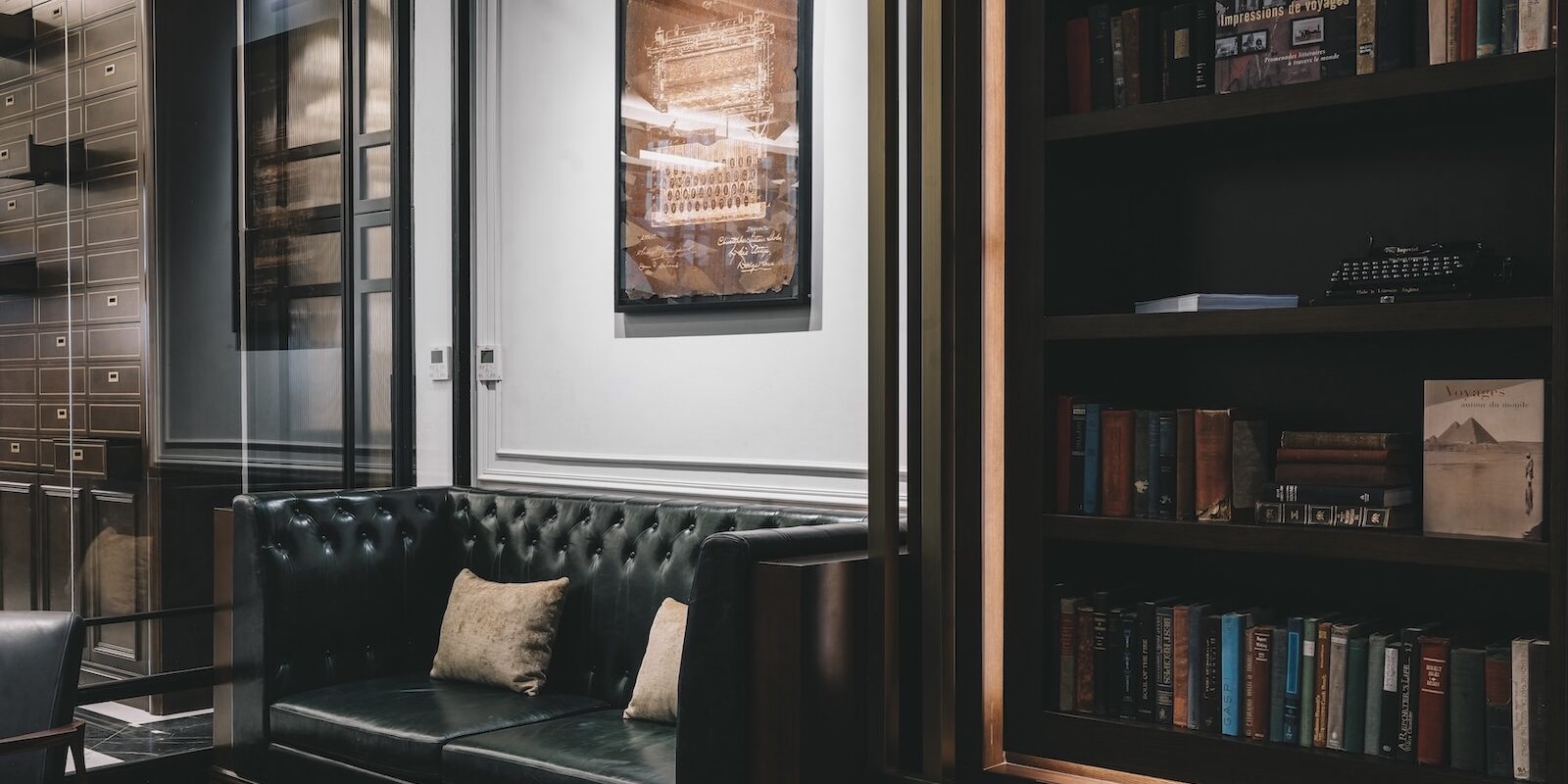
The Excelsior is gently eccentric: there are sheets of paper suspended in the air, appearing as if they have come flying out of the antique type-writer below; peppered around the hotel are ‘hand-scrawled’ notes on the bedroom doors pertaining to be from a harassed colonial officer named Sam (“Is anyone departing for Moulmein this coming weekend? If so please let me know soonest”!).
The rooms are large and elegant, and the attention to detail is superb. Pre-COVID, we sat down with a couple of workers from Excelsior’s team. You can read that conversation here.
FLASH POINT: The restaurants are superb, and the staff immaculately dressed and well prepped.
Yangon Excelsior - Myanmar
Yangon Excelsior is housed in what was once the general headquarters of the Steel Brothers Company. The building was built in “the context of frenzied economic development” in the early 1900s. The Steel Brothers were one of the great British commercial houses of colonial Burma. They were deeply woven into the economic structure of British Burma from the 1870s until independence. The company began in Rangoon in 1870, focussing initially on rice export. By the early twentieth century they were among the dominant European firms in Burma’s export economy. The 1942 Japanese invasion shattered the company’s Burmese operations. Rangoon fell and many British employees fled north into India. After independence in 1948, the Burmese government nationalised large sections of the economy. Steel Brothers lost their teak concessions almost immediately, and later much of the rest of their Burmese business. The building was restored and opened as Yangon Excelsior in 2018.
The Newsroom café-deli is a relaxed, all-day space serving coffee, pastries, salads, sandwiches and lighter dishes, alongside a notably good afternoon tea. In the evenings, the adjoining bar becomes livelier, with classic cocktails, wines and tapas-style plates served beneath high ceilings. The Steel Brothers Wine & Grill combines parquet floors, chequered marble, tall white columns and broad bay windows. Sampan has hosts events at The Excelsior, and one of the hotel’s real strengths is its service. Staff are quick, observant and professional – they understand when to keep the atmosphere calm, when to step back, and when to appear at exactly the right moment to top up a glass. The waitering team also sport the smartest uniforms in town: the ruddy browns, and collared shirts, trousers braces and Peaky Blinders caps, are resonant of dock workers in the early 20th century – in the best way.
Like most high-end hotels in Myanmar, the Excelsior has been hit hard by the twin crises of COVID and political turbulence. Today you will find a smattering of long-stay guests – recognisable by the quick delivery of their eggs-to-order at breakfast. The Newsroom is quiet and spacious, therefore has become a preferred space for a few digital nomads and freelances tapping away on laptops. The Excelsior is ideally located for travellers wishing to be in the very heart of downtown Yangon, and therefore perhaps attracts a more curious type than those staying at some of the international chains north of downtown (also, travellers who are not put-off by the lack of a swimming pool). Sampan hosts many of our Speaker Series events here – and it is where most of our guests speakers stay. So do speak to your neighbours at breakfast – they may well be one of our interesting guests!
Yangon Excelsior is situated in the downtown of the city, right in the heart of the Indian Quarter. Sule Pagoda – the official centre of downtown Yangon – is only three blocks away. When the British began constructing Rangoon in the 1800s, Indian civil servants and money-lenders lived in this area, and their descendants continue to live here today. The glorious Surti Sunni Jamah Mosque and the Soorte Sunni Masjid are in walking distance. Although you will not find many beer stations in this area, there are plenty of Indian teashops (serving samosas, roti, paratha …) and South Indian restaurants. For drinks, Chinatown can be found just beyond the Indian Quarter – just keep walking west with the river to your left – and there you will find BBQs and beer aplenty.
Due to its heritage, The Excelsior is a good jumping off point to explore Yangon’s history. British Rangoon had a strong Scottish mercantile presence. Young recruits – often Scots straight from school – were sent out as “assistants.” Many spent years in remote rice stations or teak camps learning Burmese and managing operations (one such assistant features memorably in Amitav Ghosh’s The Glass Palace). There is a whole social history of these men: club life, river launches, elephant camps, polo, whisky, and the peculiar, insulated world of the colonial commercial elite. It is the lives of these assistants that Yangon Excelsior plays-off today, with the decoration of apparent hand-scrawled notes peppered around the hotel, as these young men dash off to the forests. The colonial Burmese economy was highly segmented with British firms dominating export and shipping. This structure created enormous resentment and was condemned by Burmese nationalists.
Teasing out the stories and secrets of Yangon’s turbulent history.
Our 2-hour walking tours of Yangon: history, heritage and hidden stories of this city.
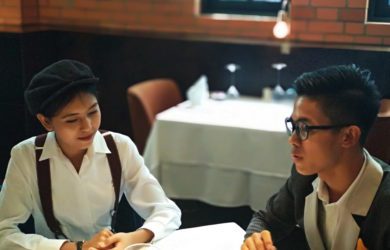
We speak to Helen & Win about their journey to working in Yangon’s hippest hotel.
