Subscribe to our mailing list
We are still here! Let us send you tips for travelling through Myanmar and stories from the road …

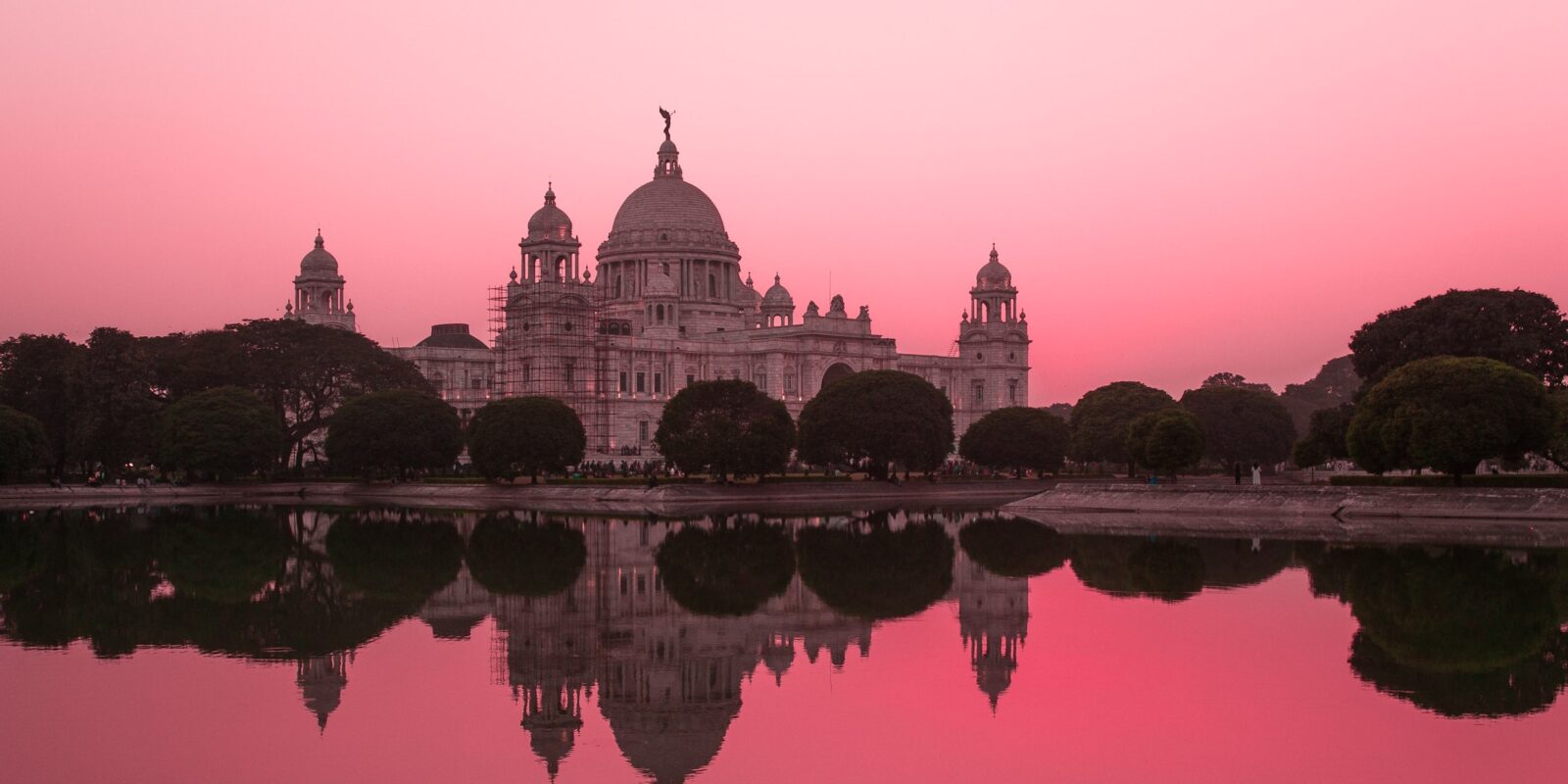
Bengal has a rich textile heritage. Created by master artisans of ancient techniques, Bengal’s brightly patterned, intricate fabrics have a story to tell. These are tales of zamindars, Mughal emperors and wealthy European merchants. But also, quiet tales of spinners and weavers and small-time traders, for whom these textiles mean much more than just a fabric to be worn. These textiles are a window into the history of this region. As Darshan Shah says of baluchari silk, “The motifs of the saris weave a fascinating tale of tradition and change while documenting events of a bygone era.”
The artistry of Bengal is seeing a revival. For the sake of the heritage, but also for income generation. Therefore, these tales being spun are as much a tract for the future as they are a recollection of the past. Sampan’s textile journeys through West Bengal intends to tell this story with clarity and integrity.
Our recommended itinerary begins in Kolkata. Here you will be introduced to the crafts of this region. You shall travel up to Santiniketan and meet the dynamic and creative artisans who are sustaining and innovating these textiles.
Travel on to Murshidabad, former capital of Nawabi Bengal, and then turn south, travelling beside the Hooghly River, to see the world’s pre-eminent muslin workshop.
Contact us if you wish to see a template itinerary. This itinerary can be customised to match your interests and dates.
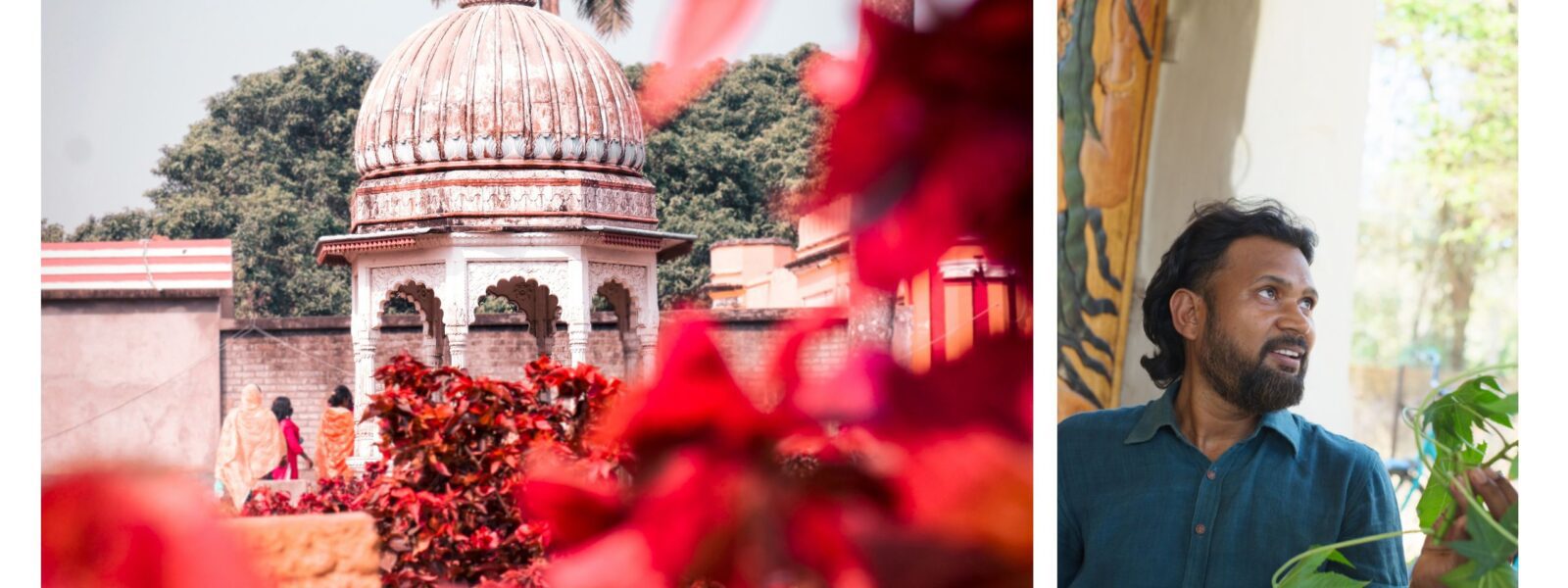
The Sufi poet Abul Hasan Yamin ud-Din Khusrow wrote of muslin: “The fineness of the cloths is difficult to describe. A hundred yards of it can pass through the eye of a needle.” The Romans referred to muslin as “textile venti” or “woven winds”. Under Mughal rule, muslin was sent as tribute to Delhi. It was so fine, that once the Emperor Aurangzeb, aghast, raged at his daughter for appearing in public undressed, to which she retorted that she was wearing seven layers of Dhaka muslin.
Jamdani muslin is a fine, handwoven fabric renowned for its intricate patterns. Made from the finest cotton threads, jamdani is known for its floral and geometric motifs, which are meticulously woven into the fabric on a loom. After independence, muslin manufacturing in India was lost under the tide and preference given to khadi – the course cotton made famous by Gandhi’s “swadeshi” movement.
Baluchari silk is a distinguished handwoven fabric from Bengal. Baluchari silks have elaborate framed borders consisting of images depicting the sophisticated life of rulers, zamindars, affluent bankers and wealthy European traders. The images do not represent a narrative but instead mirror a particular activity which is repeated across the border. These figural representations act as a window to understanding various socio-cultural aspects and developments of society. The weaving process is complex, involving meticulous design creation and vibrant, contrasting colours. Traditionally crafted on a drawloom, baluchari silk showcases Bengal’s rich cultural heritage and artistic finesse.
Kantha is an ancient tradition of crafting patchwork cloth from rags. The term “kantha” refers to both the running stitch and the finished textile. It is a craft embraced by Bengali women of all rural backgrounds: from the wives of wealthy landlords to those of farmers.
Shamlu Dudeja of Malika’s Kantha Collection says:
“The Buddha and his men never wore new fabrics. They got old fabrics from various homes and they sewed them together. The village women also used the same running stitch. Three layers of fabric and two layers of air trapped between them, made a warm quilt. So, the men and the babies of their homes found these quilts very comfortable in the mild winters of Bengal. For baby skin, layers of soft, old, cuddly cottons are more comfortable than new cottons.”
For centuries, the art of kantha has been passed down from mother to daughter. See House of Wandering Silk for more information and deep dives into India textiles.
Contact us if you wish to see a template itinerary. This itinerary can be customised to match your interests and dates.
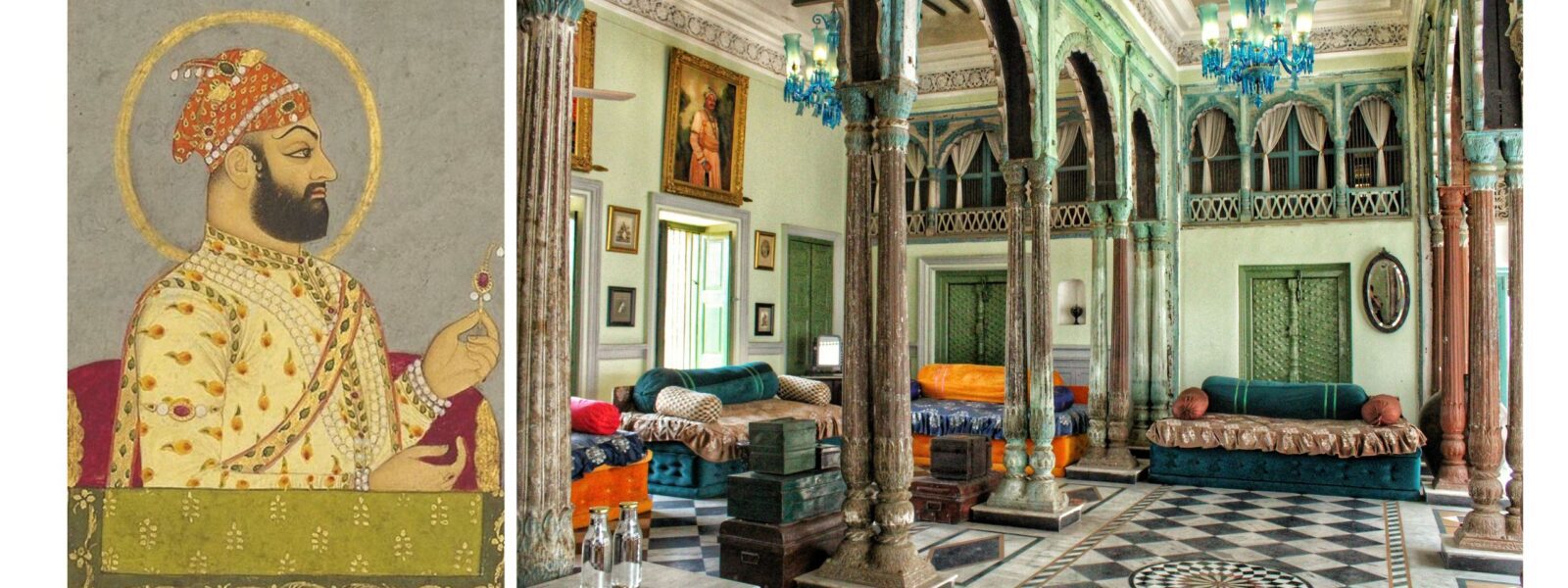
The rise and fall of the power and wealth of the Nawabs of Bengal, is tightly linked with the story of Bengali fabrics.
The first Nawab of Bengal was Murshid Quli Khan. In 1704 he moved the Bengal capital from Dacca to Murshidabad. Dacca remained the centre of muslin production. In Murshidabad, silk was spun and it became a prosperous trading hub, financed by the powerful Jagat Seth banking family. This hub of commerce attracted British traders.
Siraj-ud-Daulah was the last independent Nawab. He clashed with Clive of the East India Company at the Battle of Plassey in 1757. Clive was victorious. Siraj-ud-Daulah was arrested by his former officers and killed.
The intention of Clive and his associates at the EIC had been to revive British trade on advantageous terms and secure the support of a more amicable Nawab. In reality, their actions led to the erosion of the Nawabs’ authority, plunging what was previously the most tranquil and lucrative region of the Mughal Empire into anarchy.
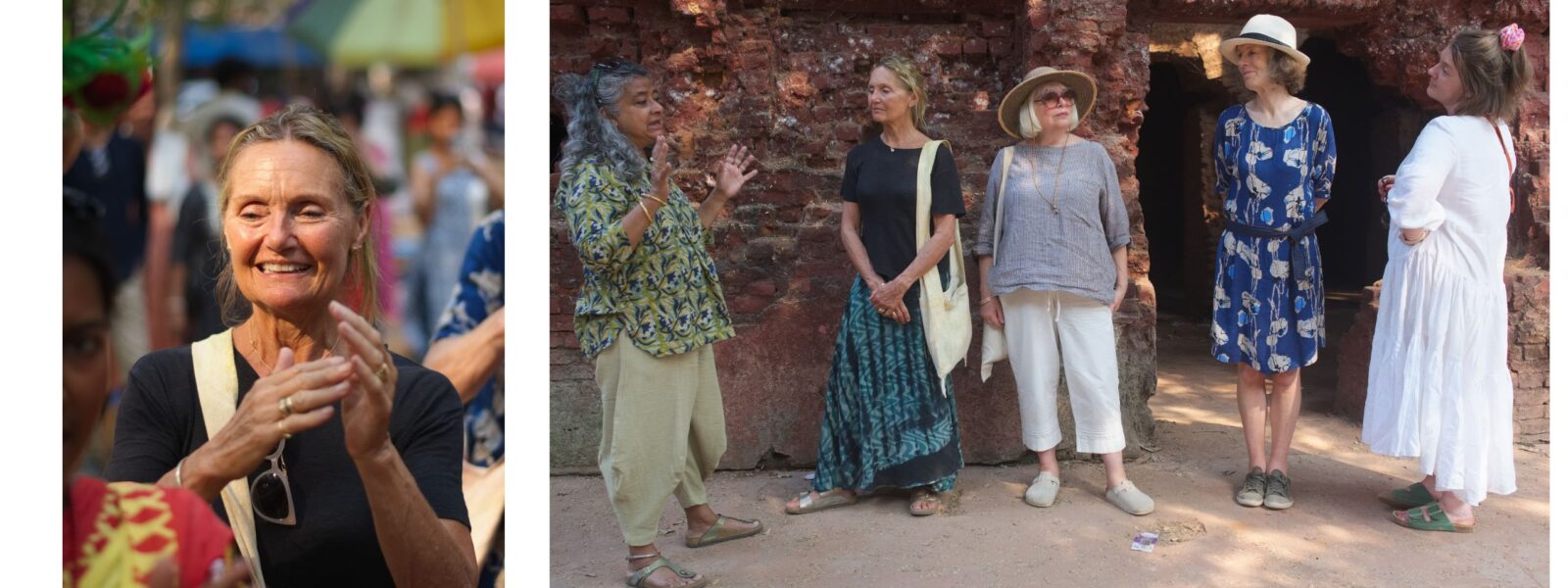
Travelling with us in March 2025 was Sarah Foot of Thread the Word. Sarah said afterwards:
“Everything was so considered and thoughtfully put together, we were impressed at every turn. From beautiful places to stay to the most incredible variety of delicious food, before I even get started on the craftmanship we saw, was nothing short of excellent. The range of textiles we were able to see being made first hand – woven on looms, naturally dyed by hand, exquisitely embroidered, made into both beautiful and practical products – was absolutely incredible. A total honour to have witnessed these things being made by such skilled artisans which would have never been possible without our experienced and knowledgeable guides.”
Another guest, Bim from the UK, said:
“We have had such an adventure discovering many of the crafts and delights that West Bengal offer. [Sampan’s] attention to detail, their organisation, the huge variety of delights and experiences that unfolded were all exceptional and thrilling. This was the first time that they had offered this adventure and for anyone who loves and admires beautiful fabrics, delicious food, exceptional and individual artists with amazing stories look out for their next trip.”
And Charlie, a writer, also from the UK, said: “I don’t know quite what I had been expecting, but the trip definitely exceeded whatever my expectations were. […] My heart is full of joy from all we saw and felt and I’m sure the trip will continue to work its magic on me for a very very long time. Thank you.”
Let us know if you would like to speak to any of our former guests to get a first-hand account of the experiences. You can see more testimonials on our Visitors’ Book.

The Cold War, a fight for freedom and the birth of Bangladesh with historian K.S. Nair.

A literary journey through Bengal & Assam with best-selling author Abir Mukherjee.

A literary journey on the River Hooghly with Nilanjana Roy & Robert Ivermee.
