Subscribe to our mailing list
We are still here! Let us send you tips for travelling through Myanmar and stories from the road …

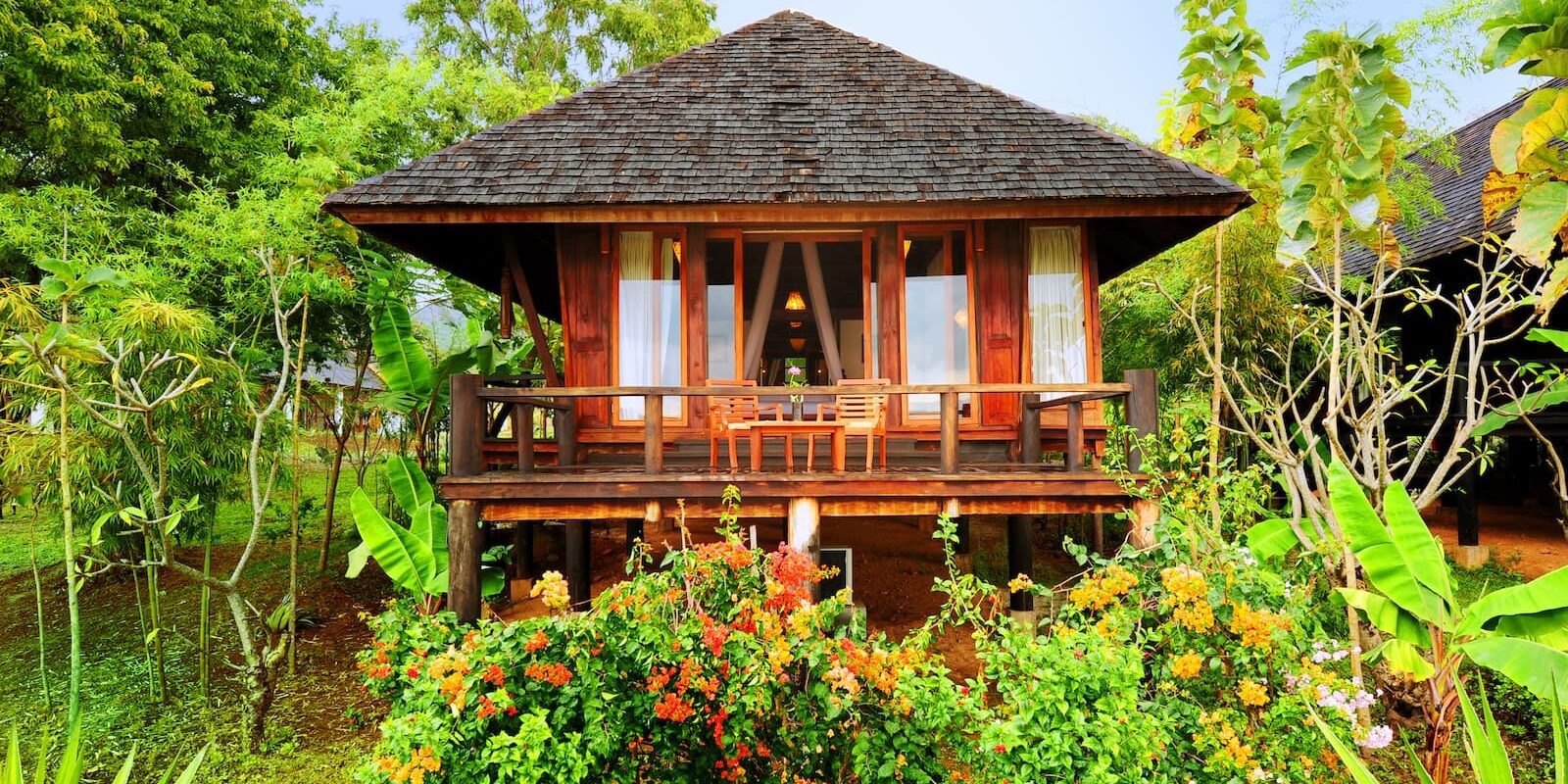
The 27 secluded lakeside villas offer the perfect setting for those wishing to escape the crowds. Each villa is designed to meld in seamlessly with the surrounding environment, featuring local paintings, wooden ceilings and spacious living space and bedrooms. Lakeside balconies and floor-to-ceiling windows allow for plenty of natural light with yawning views over the lake.
FLASH POINT: Villa Inle was the first and only hotel in Myanmar to receive an internationally recognized certification in sustainability. The hotel defies the false conception that a luxury product cannot also be a sustainable one. Read more in our conversation with General Manager Aung Ko Ko here.
Villa Inle Boutique - Shan State, Myanmar
Aung Ko Ko, General Manager of Villa Inle Boutique Hotel, began his career as a waiter in Bagan, before rising steadily through the ranks. By the late 1990s he had moved to Yangon, joining what is now Belmond Governor’s Residence as Front Office Manager, later progressing to Rooms Division Manager. Seeking broader experience, he spent several years overseas, including postings in Siem Reap and Luang Prabang, before returning to Myanmar. His path eventually led him to Inle Lake, where he accepted an opportunity to help shape a new property from the ground up.
“This is the longest time I have spent at one hotel,” he told us when we sat down to chat in 2017. “I am happy here.” Given unusual freedom by the owner, he adds, “even the name and logo are mine.”
At Villa Inle Boutique Hotel, accommodation is deliberately limited to just 27 individual villas, reinforcing a sense of space and privacy. Set either along the lakefront or within the gardens, each stands alone, built in wood and raised slightly above the ground, drawing directly on traditional Burmese forms. Inside, the villas are generous in scale – around 100 sqm – with high wooden ceilings, large living areas and oversized bathrooms. Floor-to-ceiling windows and wide balconies open towards the lake or surrounding greenery, bringing in light and framing everyday life on the water. Furnishings are local and considered: polished timber, regional textiles, and artwork from Shan and Inle artisans. As General Manager Aung Ko Ko puts it, “when you are here… it is your own house”.
Villa Inle Boutique hotel sits on the eastern banks of Inle Lake. The lake, set high on the Shan Plateau, is one of Myanmar’s most distinctive landscapes: a shallow expanse of water edged by low hills. At dawn, the surface is often still enough to mirror the sky, broken only by fishermen gliding past in narrow boats. The lake is home to a mosaic of communities – Shan, Pa’O, Danu and others – but it is the Inthar, the “Sons of the Lake”, who define its character. Known for their one-legged rowing technique, they fish, farm and travel entirely on the water. Across the lake, floating gardens drift on beds of reeds, producing a remarkable share of the country’s vegetables, while stilt villages, monasteries and workshops create a quietly industrious world.
At Villa Inle Boutique Hotel, sustainability is treated as a working practice rather than a slogan. Under General Manager Aung Ko Ko, the hotel has spent more than a decade focusing on both the environmental health of Inle Lake and the wellbeing of the communities around it. The hotel was the first in Myanmar to receive Gold Certification from Travelife, a standard that assesses not only environmental performance but also social and economic impact. “There are over 150 criteria to meet,” Aung Ko Ko explains, “including energy saving, water and waste management, and having a company policy to take good care of our staff – not only on paper, but following up.” What emerges is a property where systems – waste, water, sourcing – are actively managed, and where staff and community are part of the equation, not an afterthought.
At Villa Inle Boutique Hotel, much of the thinking returns to a simple idea: that a stay should feel rooted in place. With just 27 villas, all built in a traditional Myanmar style, the intention is clear. That sense of place extends to the table. A small organic garden supplies much of the fruit served at breakfast – bananas (four varieties), mango, tamarind, dragon fruit – while other seasonal produce is sourced from markets across the country. Aung Ko Ko says: “You can ask me, ‘Why don’t you provide apples or oranges?’ This you can find throughout the world, but mangosteen for example, I am not sure you can find in Europe. I have never seen. I would like people to have this taste. In the garden we do not make it a modernised garden, we do not put the modern flowers. We put the tropical, regional flowers. So when people come here they will feel that this is Inle Lake, this is the region. We are giving this message.”

An introductory journey in Myanmar including Yangon, Bagan and Inle Lake.

Dr Robert Lyman traces Bill Slim in Burma, and how WW2 led to where Myanmar is today.
Where the country meets Thailand and Laos, remote tribes and Myanmar’s ‘Wild Wild East’.
