Subscribe to our mailing list
We are still here! Let us send you tips for travelling through Myanmar and stories from the road …

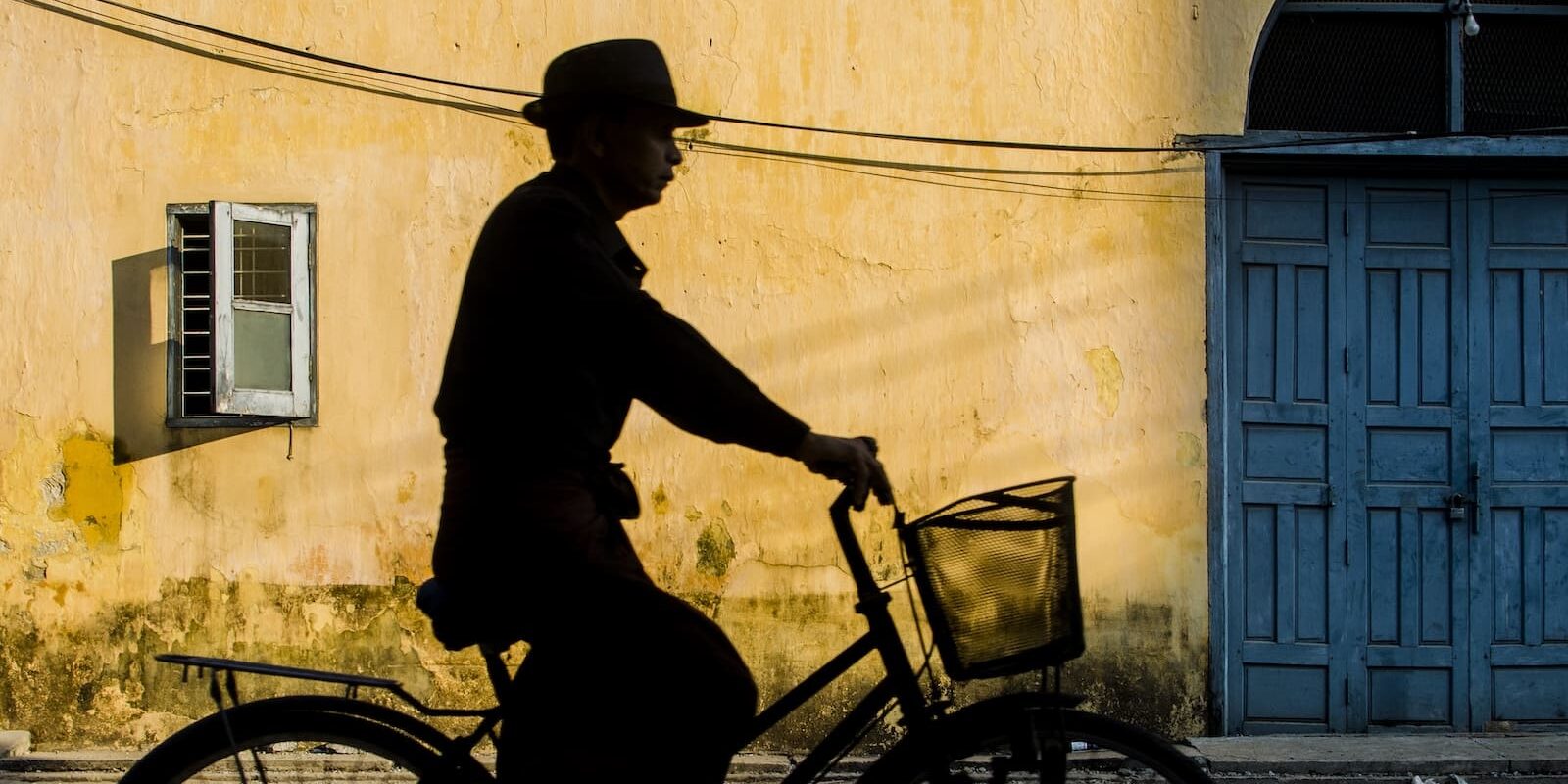
Our Introduction to Myanmar journey incorporates some of Myanmar’s most compelling landscapes and cultural centres.
Begin in Yangon, where colonial architecture, teashops and sacred shrines narrate the story of Myanmar’s past. Continue to Mandalay, long regarded as the cultural heart of Myanmar, before exploring the extraordinary temple plain of Bagan, one of the great archaeological sites of Asia. Finally, travel into the highlands of Shan State, where market towns, village life and the tranquil waters of Inle Lake reveal an alternative side to the country.
Sampan has been operating tours in Myanmar since 2013 – safely and responsibly. It is our home and we would love to help you explore it. See here practical information for travelling in Myanmar.
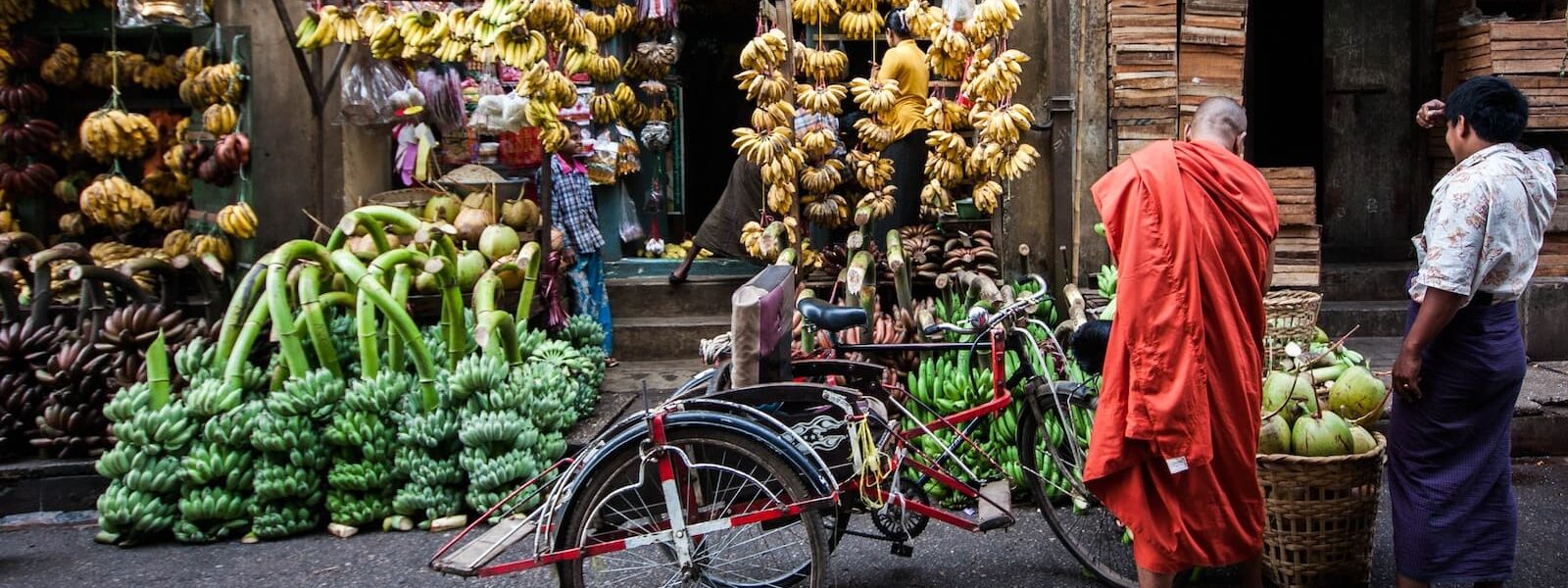
Described by the Chilean poet Pablo Neruda as “a city of blood, dreams and gold”, Yangon, Myanmar’s commercial capital, is a fusion of imperial wonder and dilapidated majesty.
Bedecked with carolling street-vendors and honking, rust-bucket buses, the atmosphere of Yangon (formerly Rangoon) is kinetic and intoxicating. This enchanting city is the ideal location to commence your exploration of Myanmar: it is the tip of the gilded Burmese hand extended to the world, the entrance of the rabbit hole leading into the heart of the Golden Land.
You will be picked up by your guide on your first morning and taken to Shwedagon Pagoda – the holiest site in Myanmar. Enjoy breakfast in a local teashop downtown. Walk through Chinatown and make a wish at a Cantonese temple. The Chinese were some of the first international merchants to call Yangon home and their clan houses remain.
Pass through the Indian Quarter and the centre of British colonial Rangoon. After lunch you will be taken on a tour of the Secretariat. This building bookends British Burma. Construction began in 1889, just a few years after the British had annexed Mandalay in the third Anglo-Burmese War. After WW2 and just a few months before the British left, independence hero and father of Aung San Suu Kyi, General Aung San, was assassinated here, along with six members of his cabinet.
In the 1920s, Somerset Maugham wrote that wise men kept away from Mandalay, aware that the city would never be able to live up to the “independent magic” aroused by its name’s lilting syllables. The city took a hammering in WWII and is not the city that Kipling immortalised.
But it has been reborn and remains the cultural heart of the country seen by some as the ‘Melbourne of Myanmar’. As Rough Guides puts it, Mandalay has “a cultural and historical lustre compared to which Yangon is a mere colonial upstart, and Nay Pyi Daw a deranged military fantasy.”
In Mandalay we will take you to see sunrise at the glorious U Bein Bridge and sunset upon Mandalay Hill. In between, explore the monasteries and pagodas – built in Burma’s imperial past but still alive and busy today. Mandalay is also Myanmar’s food capital – so prepare to taste plenty of delicious dishes and snacks throughout the day. In the ancient city of Amarapura, revel in the soundscape of monks chanting and the clacking of Acheik silk 100-shuttle looms.
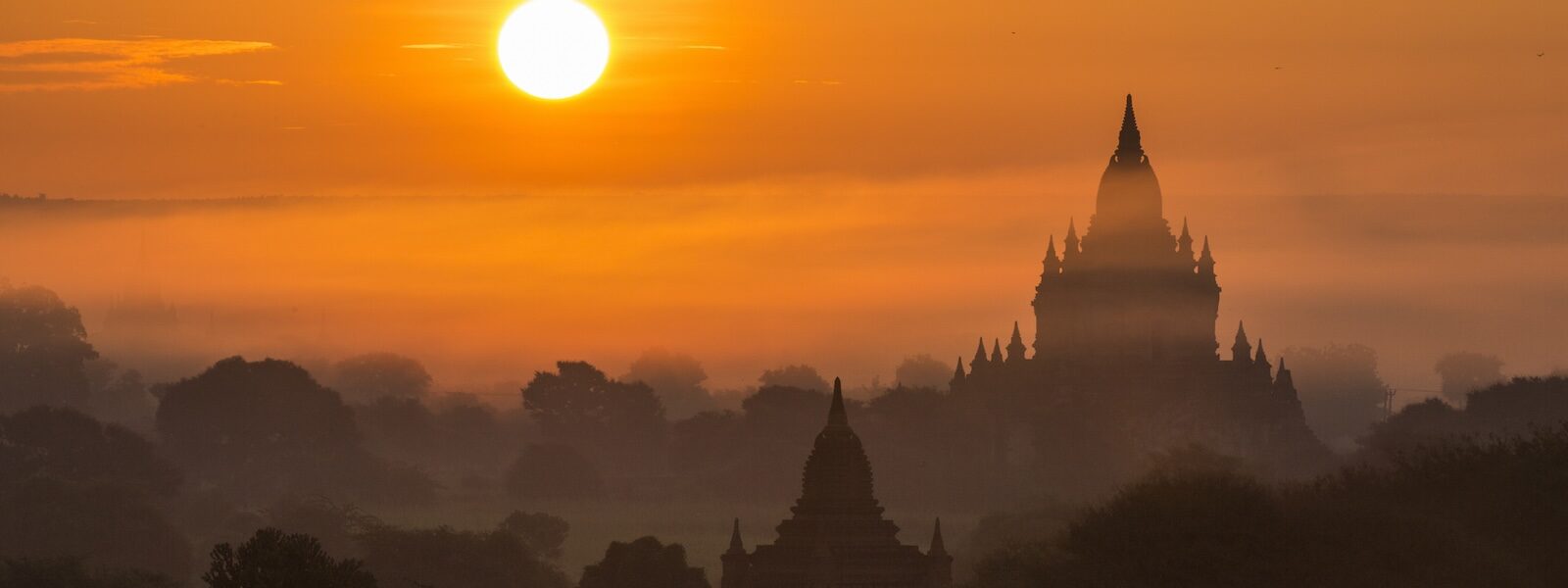
From Mandalay, travel on to Bagan. Bagan is one of the most spectacular wonders of the ancient world. The 25 kilometre-squared area covers what was once the resplendent heart of the Bagan Empire where between the 9th and 13th centuries, in a wave of religious fervour, the rulers and the rich of Bagan built over 10,000 pagodas and temples. By the 11th Century, Bagan was the cultural, spiritual and economic hub of Southeast Asia, rivalled only by the Khmer Empire in modern day Cambodia.
In addition to visiting the pagodas of Bagan by foot, view them from the sky on a dawn hot air balloon flight. We can also arrange for you a picnic on the banks of the Ayeyarwady (at Sampan’s secret location) and even a goatherding experience – not to be missed!
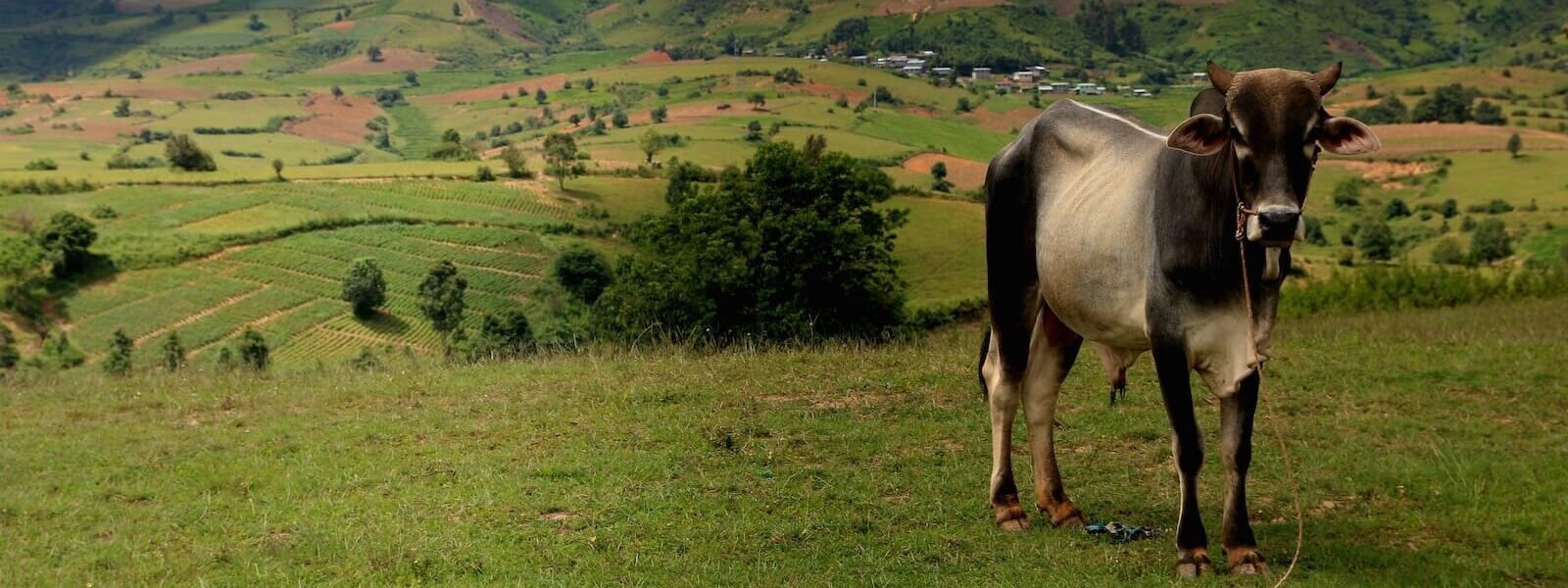
In southern Shan State – Myanmar’s greenest and most fertile region – we can take you hiking and birdwatching in the hill station of Kalaw. The central market is buzzing without being chaotic, busy but not stifling. Pa’O bags and other ethnic goods can be purchased here. While in Kalaw, you must also the taste the superb tomato Shan noodles. Hike through forest and small villages, the smell of sun-dried tea leaves infusing the air.
For lunch and supper Kalaw specializes in Indian cuisine due to the large number of descendants of the rail workers the British employed from India and Nepal in the colonial era – expect piping hot momos and fiery goat curries! The town is also an ideal location to taste the superb Shan coffee.
From Kalaw, cycle or trek to Inle Lake – stopping for a village lunch on the way. Explore Inle by boat, bicycle and foot, with the clamour of reed warblers filling the cool mountain air. See the silversmiths and feel the fabrics created in the lotus-weaving workshops. Here, threads are painstakingly extracted from the lotus plant, taking up to two months to extract one kilogram of fibre.
Finally kick-back for a few days enjoying the view of the lake from the comfort of your hotel.
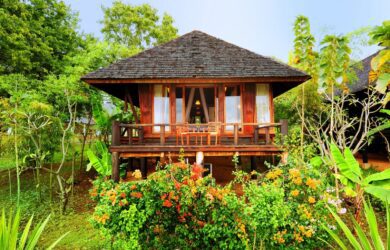
A sustainability-conscious hotel on the eastern banks of Inle Lake.
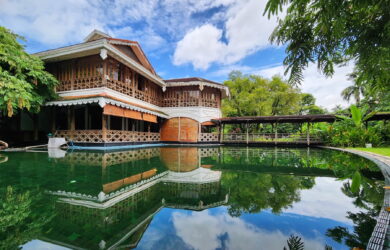
Recline in an ornate colonial-style mansion dating back to the 1920s.
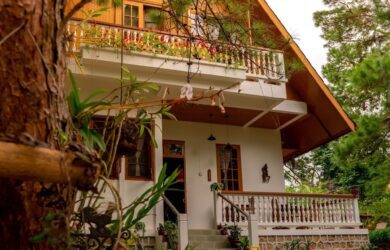
Cosy and friendly, amongst the trees with good coffee and dainty handicrafts.
